The four numbers
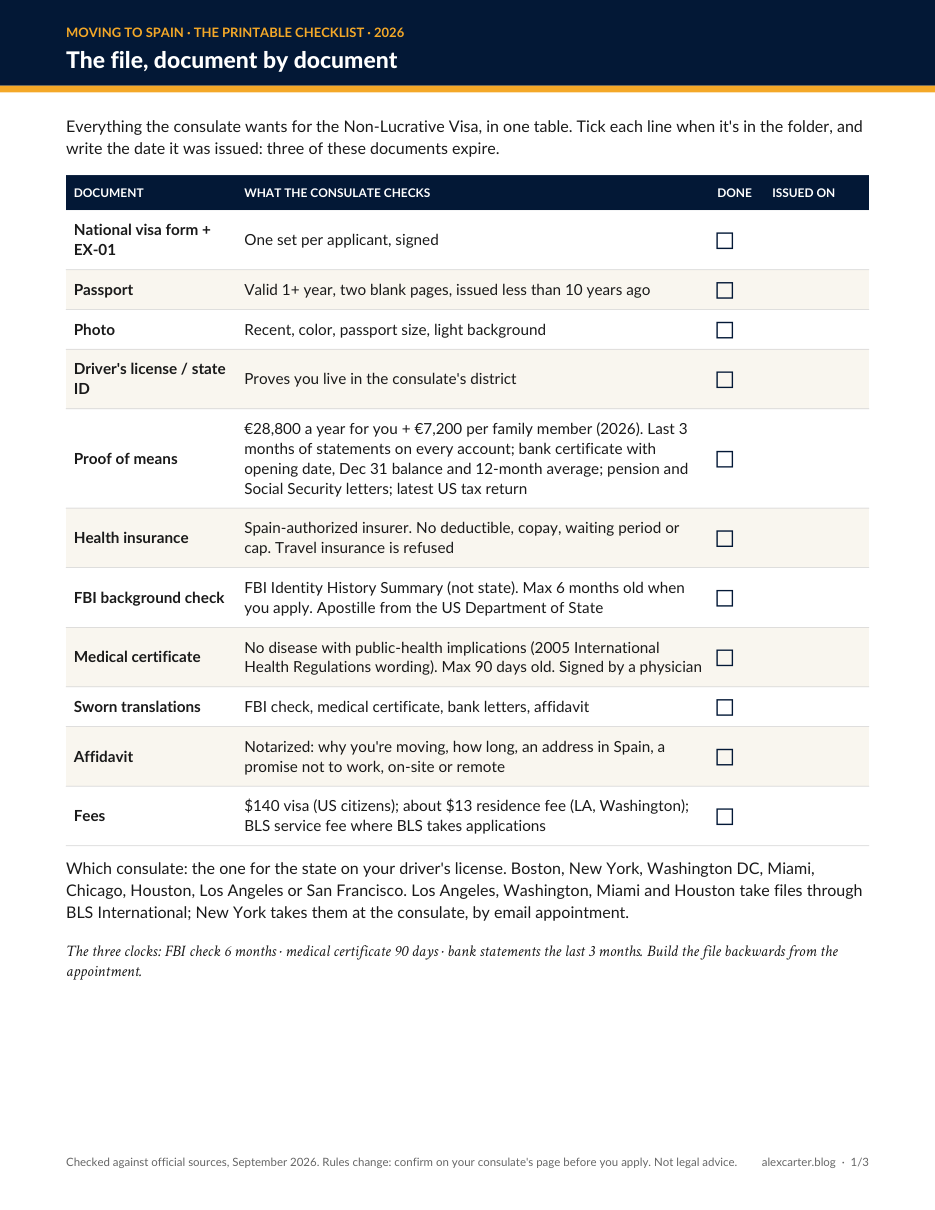
€28,800 a year. What Spain’s retirement visa, the Non-Lucrative Visa, asks one person to prove in 2026: €2,400 a month in pensions, Social Security, rents, dividends or savings. A couple needs €36,000. No work of any kind, including remote work for US clients. The file, document by document →
About €1,800 a month. What a comfortable single life in Valencia costs once everything is in: a one-bedroom at about €980, bills, food, a pass, insurance, and the lines nobody lists. A couple in Madrid needs €3,000 or more. Three budgets, line by line →
€157 a month. What the public health system charges a retiree from 65, through the convenio especial, after a year of registered residence. Before that, a private policy with no copays, which the visa requires. Healthcare, stage by stage →
Day 184. The day Spain starts taxing your worldwide income, US Social Security included. You keep filing US returns as well. Taxes for American retirees →
Four numbers. Everything else on this site about Spain follows from them.
The part that surprises people
Spain sets its visa floor above the cost of living. The single-person threshold, €2,400 a month, is more than a comfortable single life in Valencia costs. Most countries do it the other way round.
Spain doesn’t.
That’s why the typical American retiree doesn’t qualify on Social Security alone: the average benefit was $2,086 a month in July 2026, about €1,830. It’s also why the people who make Spain work usually arrive with savings or a second income, and why the visa, not the rent, is where planning should start.
Who Spain works for
- Retirees with a pension plus savings, or a couple with two incomes. The threshold is the gate; once through it, Spain’s second-tier cities are good value.
- Anyone with a medical history private insurers won’t touch. After a year, the public system takes you, pre-existing conditions and all, for €60–157 a month.
- People who want a city life without a car. Valencia, Málaga, Seville and Madrid are walkable, with cheap transit and high-speed rail between them.
- Remote workers, through a different visa: the Digital Nomad Visa, about €2,850 a month in 2026.
Who it doesn’t
- Anyone who plans to keep freelancing on the retirement visa. The renewal reads your bank statements.
- Anyone who hates paperwork and won’t pay someone to do it. Spain is sequential: every document needs a previous document. A gestor, a licensed administrative adviser, is how Spaniards themselves survive it.
- People whose plan depends on a large, untaxed portfolio in the wrong region. Catalonia charges wealth tax from €500,000; Madrid and Andalusia charge none.
Where to live, briefly
Region matters more than country in Spain: it changes your rent, your income tax scale and whether you pay wealth tax at all.
| Place | Rent per m² (Aug 2026) | Wealth tax | In a sentence |
|---|---|---|---|
| Valencia | about €16.3 | from €1,000,000 | A real city at second-tier prices; the fastest-rising rents of the decade |
| Málaga | about €16.5 | none (100% rebate) | The south’s boomtown; the value has moved to the edges |
| Madrid | about €23.3 | none (100% rebate) | Best hospitals and flights; now Spain’s most expensive rents |
| Barcelona | about €20.2 | from €500,000 | Cheaper than Madrid on paper, harder to rent in, heaviest wealth tax |
Where I’d start most people: Valencia or Málaga for the first two years, then reassess with a winter behind you.
Renting. Not buying.
The first year, in order
- Before you apply: a real health insurance quote at your age, a check of your passport’s issue date, and one paid hour with a cross-border tax adviser.
- The visa file, built backwards from the consulate appointment. There’s a free printable checklist for it.
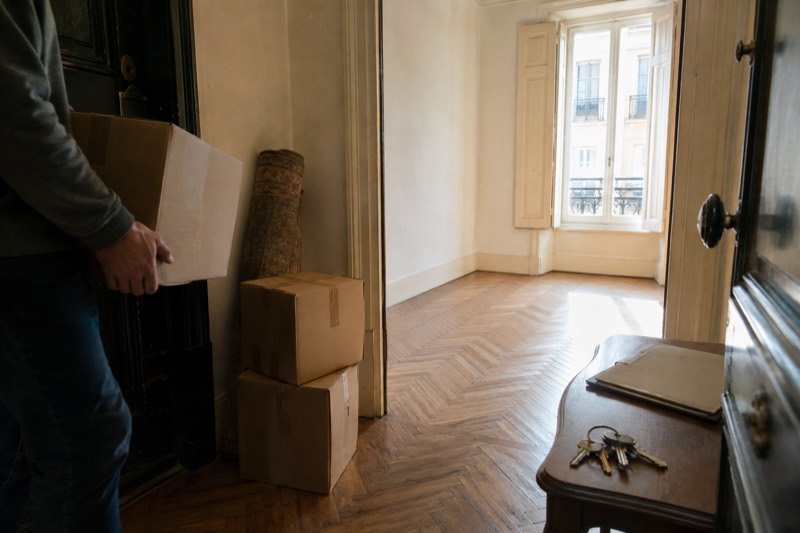
- On arrival: a short furnished rental, the padrón (town-hall registration) in week one, then the TIE residence card within a month.
- By month six: a long-term lease chosen for winter, not summer, and a gestor.
- At month twelve: the convenio especial priced against your private renewal, and the first residency renewal on the calendar.
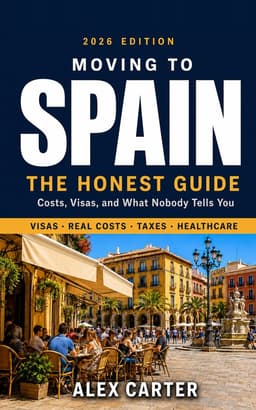
The long version, with the regions, the leases, the language and what the first year actually feels like, is the book: Moving to Spain: The Honest Guide.